
Why Fidgets are Fantastic Tools for Focus and Learning
When most people hear the word “fidget,” they think of toys. But in the world of learning differences, fidgets can be powerful tools that help students stay focused, calm, and engaged—especially for those with ADHD, dyslexia, autism, or sensory processing challenges. Far from being a distraction, the right kind of fidget can actually help a student tune in to learning rather than tune out!
Why Do Fidgets Work?
Fidgets provide subtle, repetitive physical movement that helps regulate the body’s sensory system. For many neurodivergent learners, especially those with ADHD or sensory sensitivities, sitting still and listening can be difficult—not because they aren’t trying, but because their brains and bodies are craving movement.
Fidgeting can help:
Release excess energy
Improve focus and concentration
Soothe anxiety or sensory overload
Increase engagement during challenging or repetitive tasks
Boost self-regulation and reduce frustration
Who Benefits from Fidgets?
Fidgets can be especially helpful for:
Students with ADHD, who often benefit from small, quiet movements to stay on task
Students with dyslexia, who may use fidgets to reduce anxiety and stay focused during reading or spelling practice
Students on the autism spectrum, who may need sensory input for calming or grounding
Students with anxiety or processing challenges, who find comfort in rhythmic, hands-on movement
Of course, fidgets can help any learner, regardless of diagnosis! The key is choosing the right tool for the right environment.
What Makes a Good Fidget?
Not all fidgets are created equal. The best fidgets are:
Quiet (so they don’t distract others)
Durable (for repeated use)
Non-distracting (something simple and consistent—not flashy or noisy)
Age-appropriate (fits the student’s motor needs and developmental level)
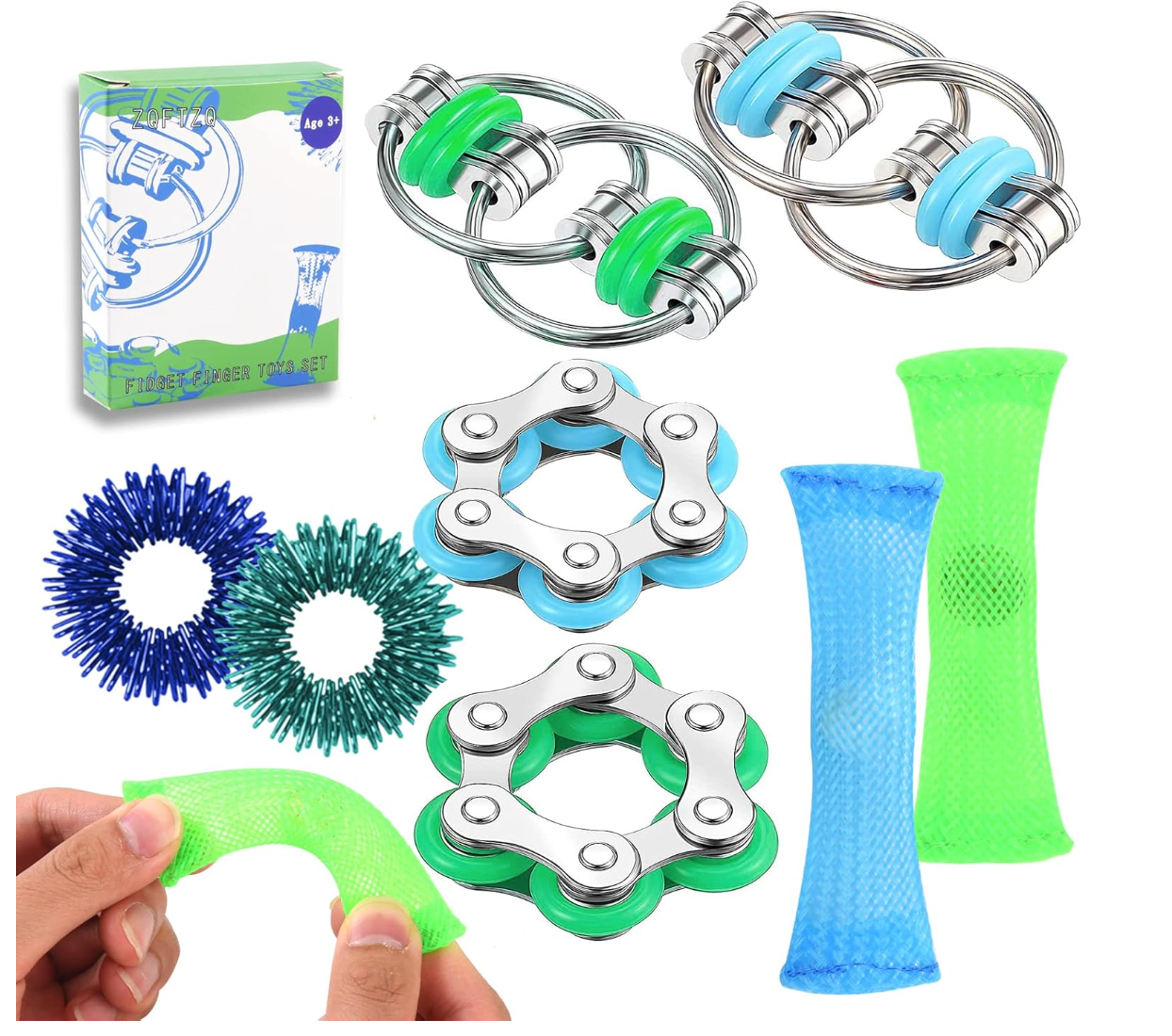
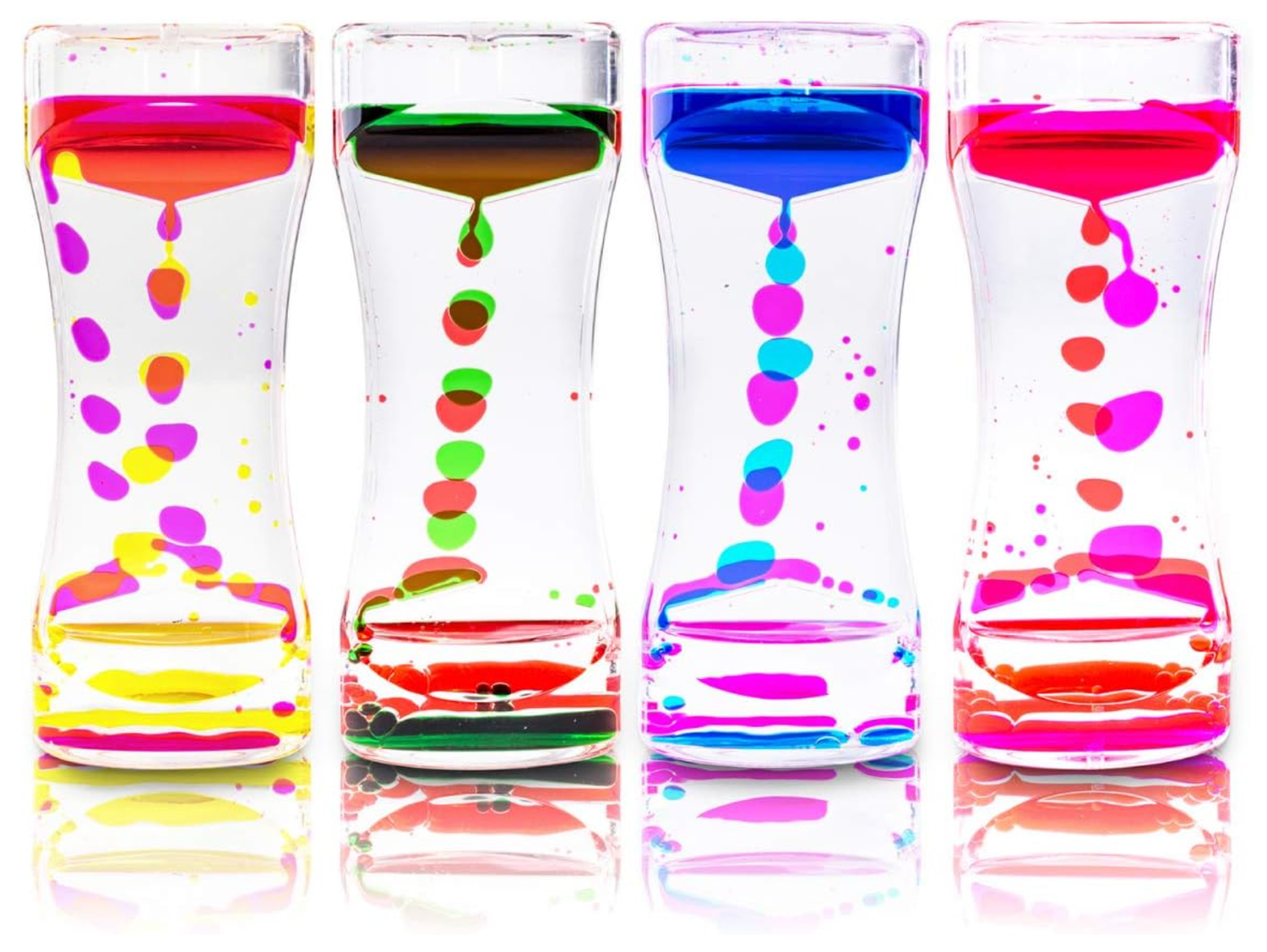
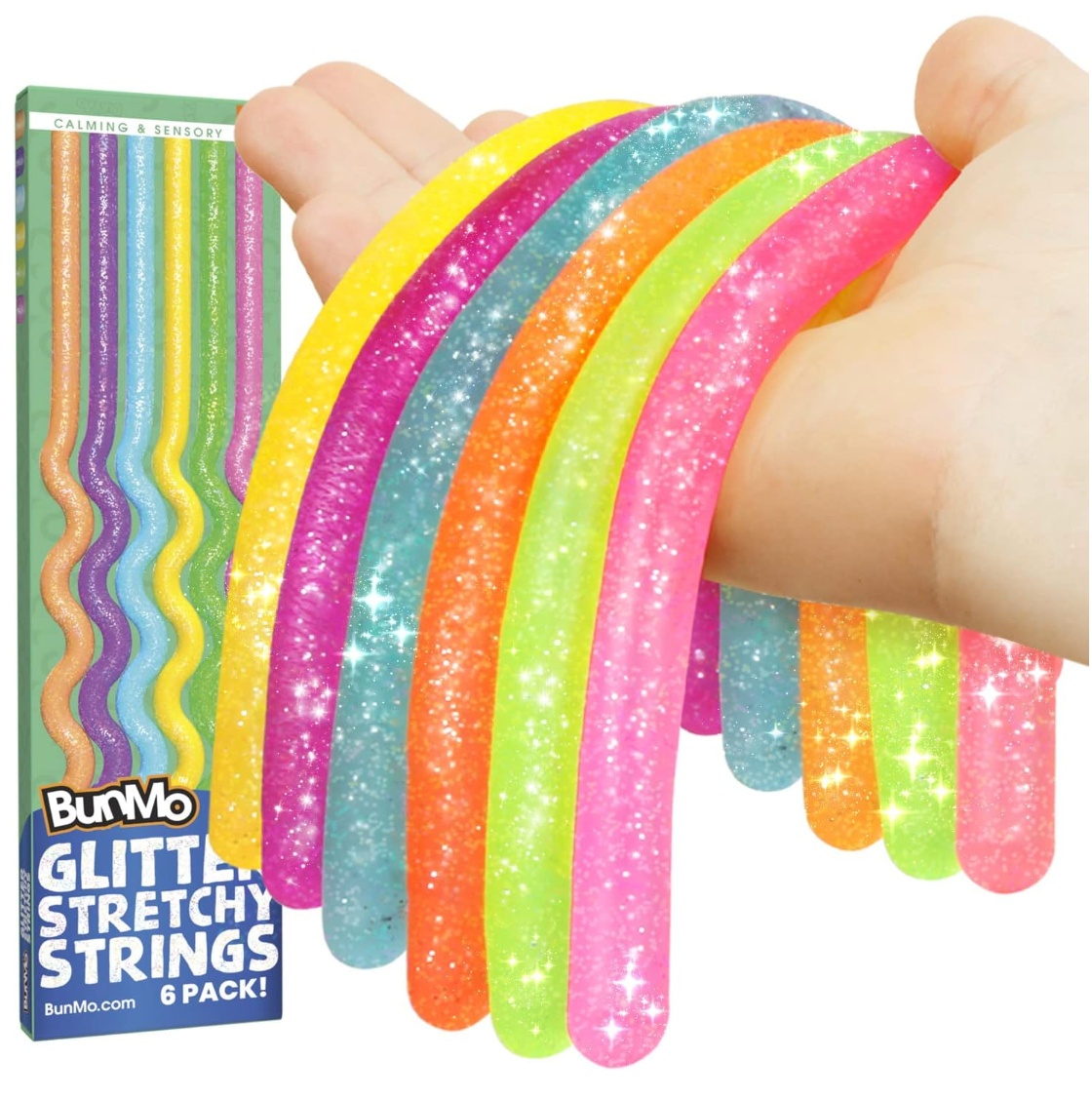
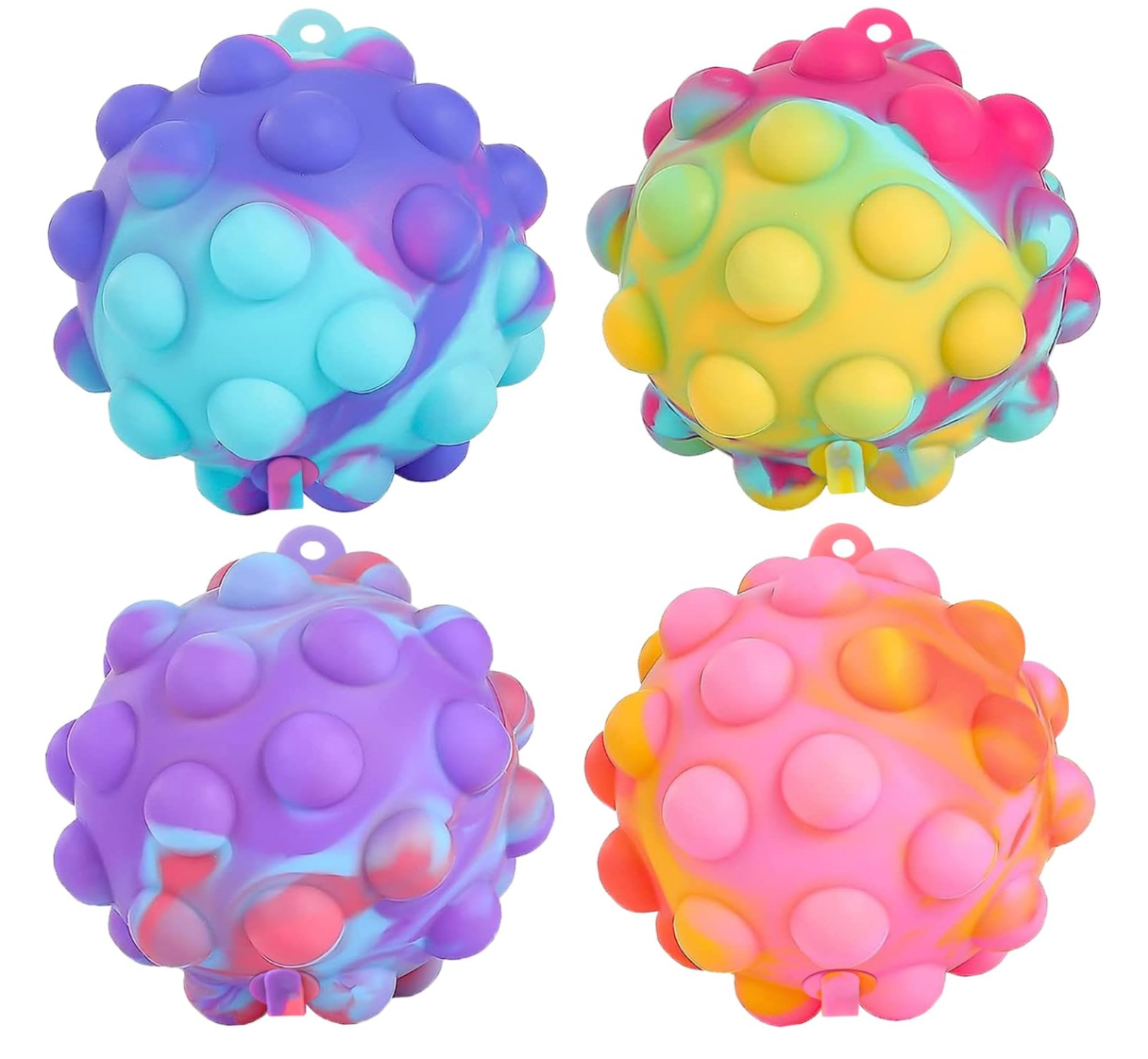
Some students benefit from hand fidgets (like stress balls, textured putty, or marble mazes), while others prefer foot fidgets, chair bands, or chewelry.
How to Use Fidgets Effectively
Fidgets work best when:
Expectations are clear (e.g., “You can use this while we read aloud.”)
They’re introduced intentionally, not as a reward or toy
Students are shown how to use them correctly—fidgeting should support focus, not take away from it
Many teachers and tutors find it helpful to set simple boundaries like, “If it helps you focus, you can use it. If it becomes a toy, we’ll try again later.” I always use the phrase "This has to be a TOOL, not a TOY." Once it starts to become a toy, the student should put the fidget away and either choose a new one or use the time to try to give the session their full focus.
My Favorite Fidget Tools
Here are some tried-and-true favorites you might consider adding to your child’s learning routine!
(I do not receive any commission for any of the links on any page. I have added the Amazon link for your convenience and understanding of the fidget)
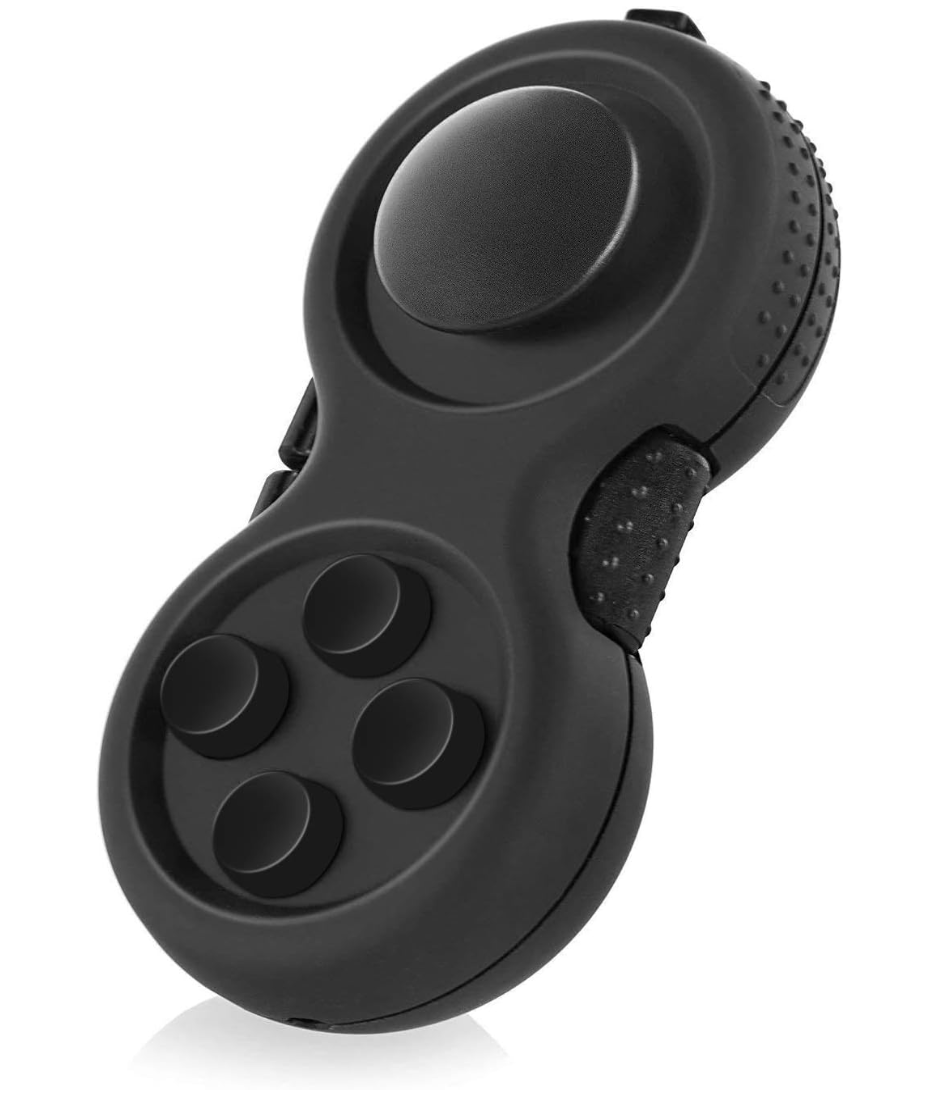
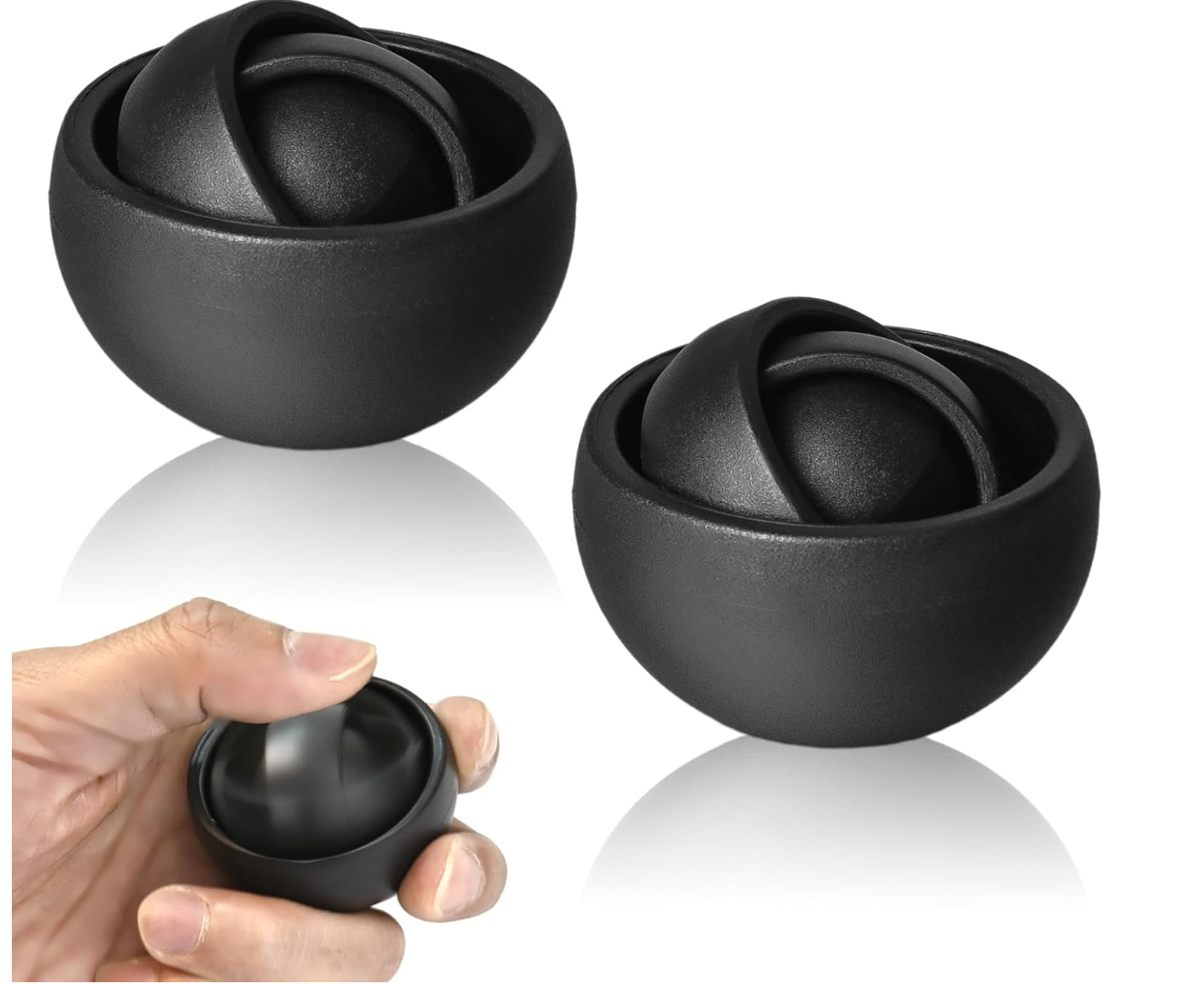
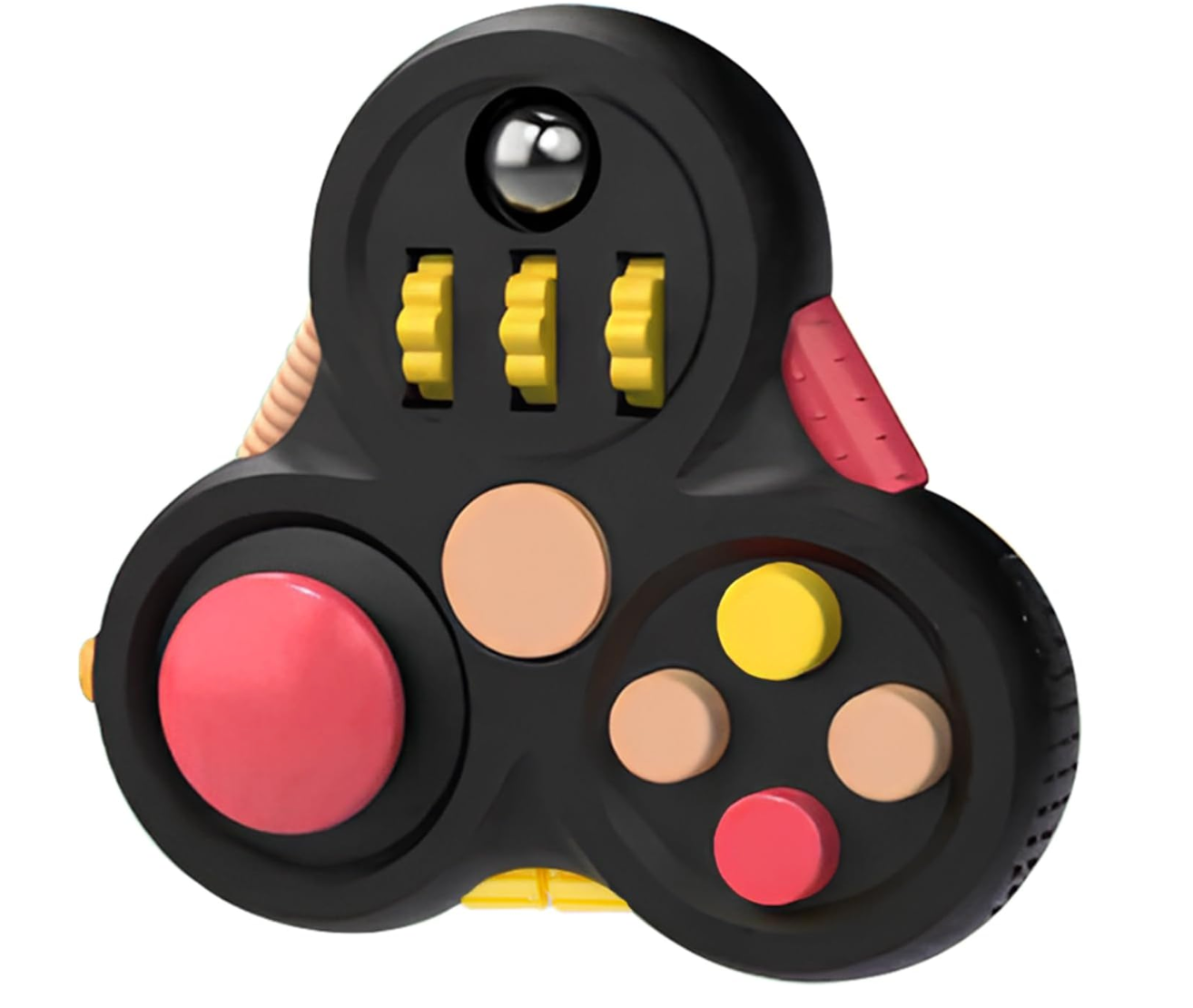
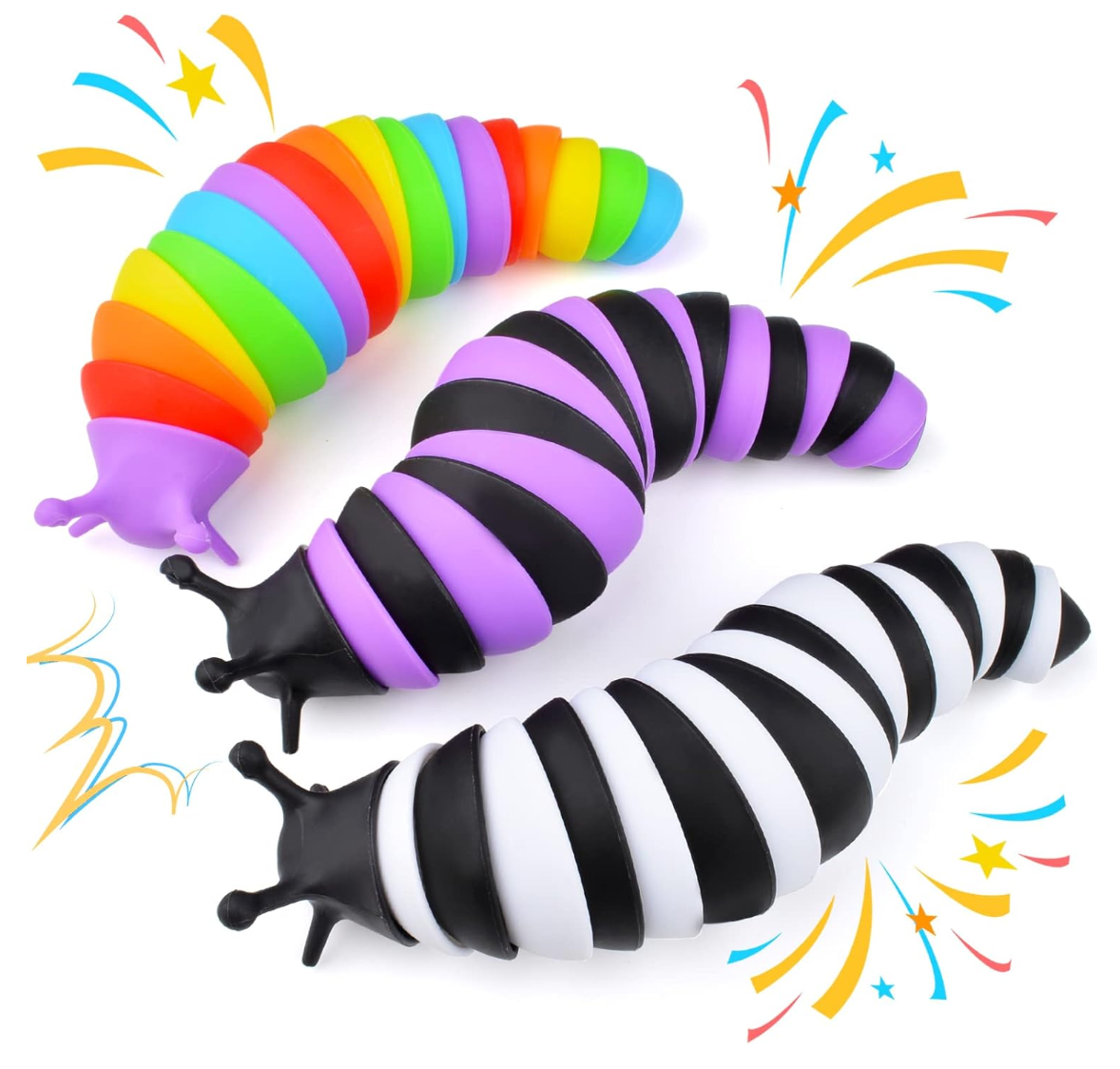
Hand-Held Fidgets
Perfect for keeping hands busy while the brain stays engaged, these small tools help campers focus without disrupting others
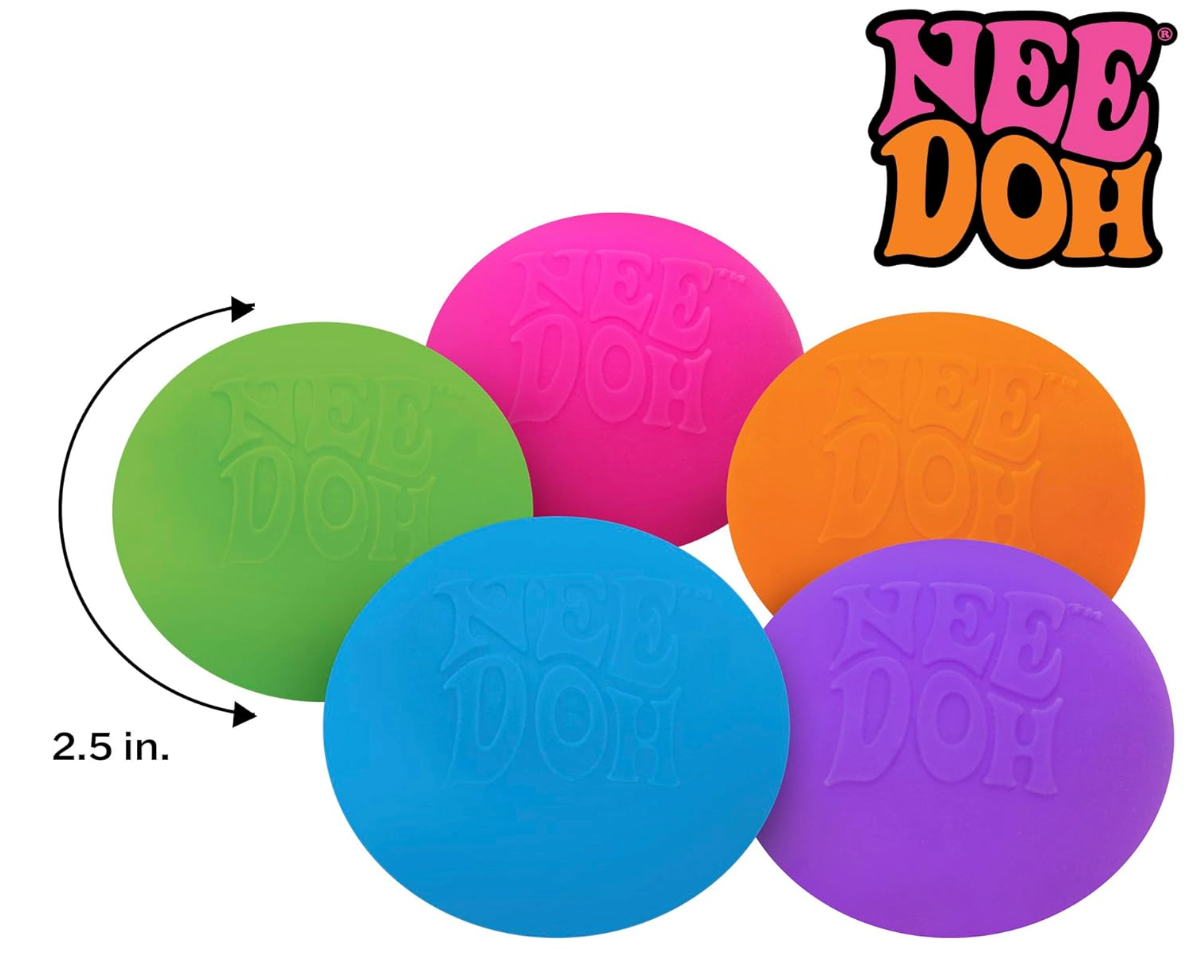
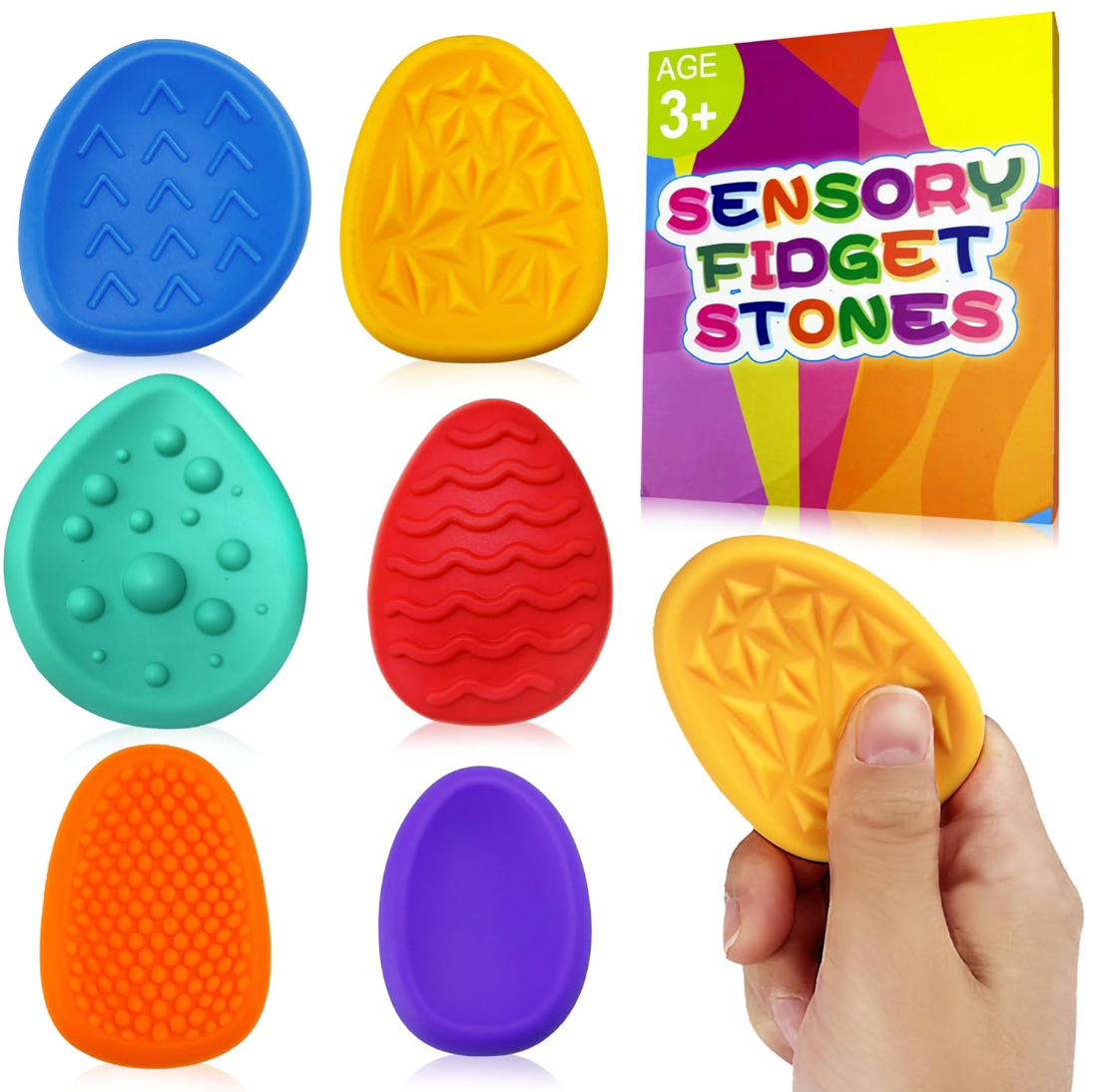
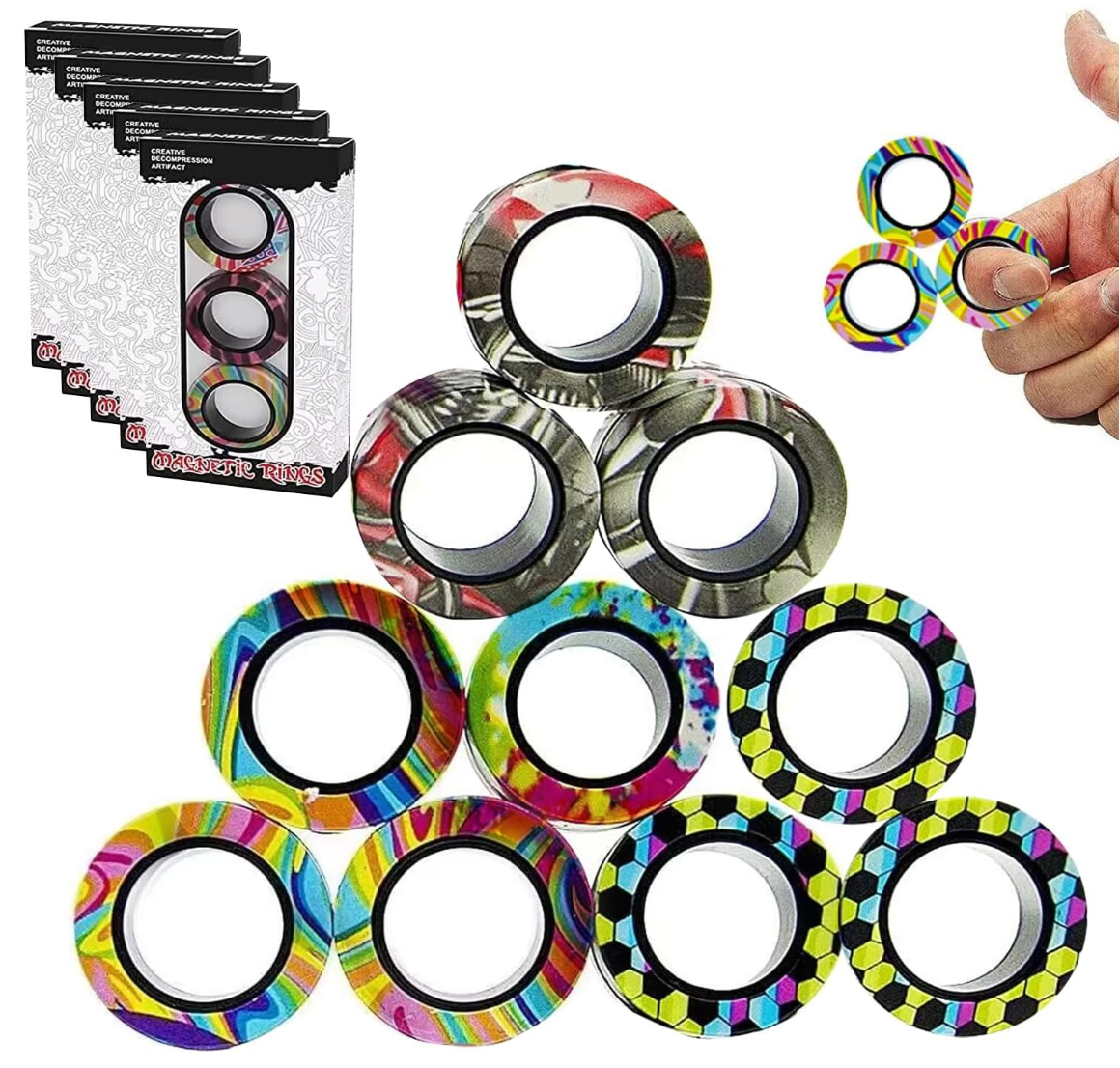
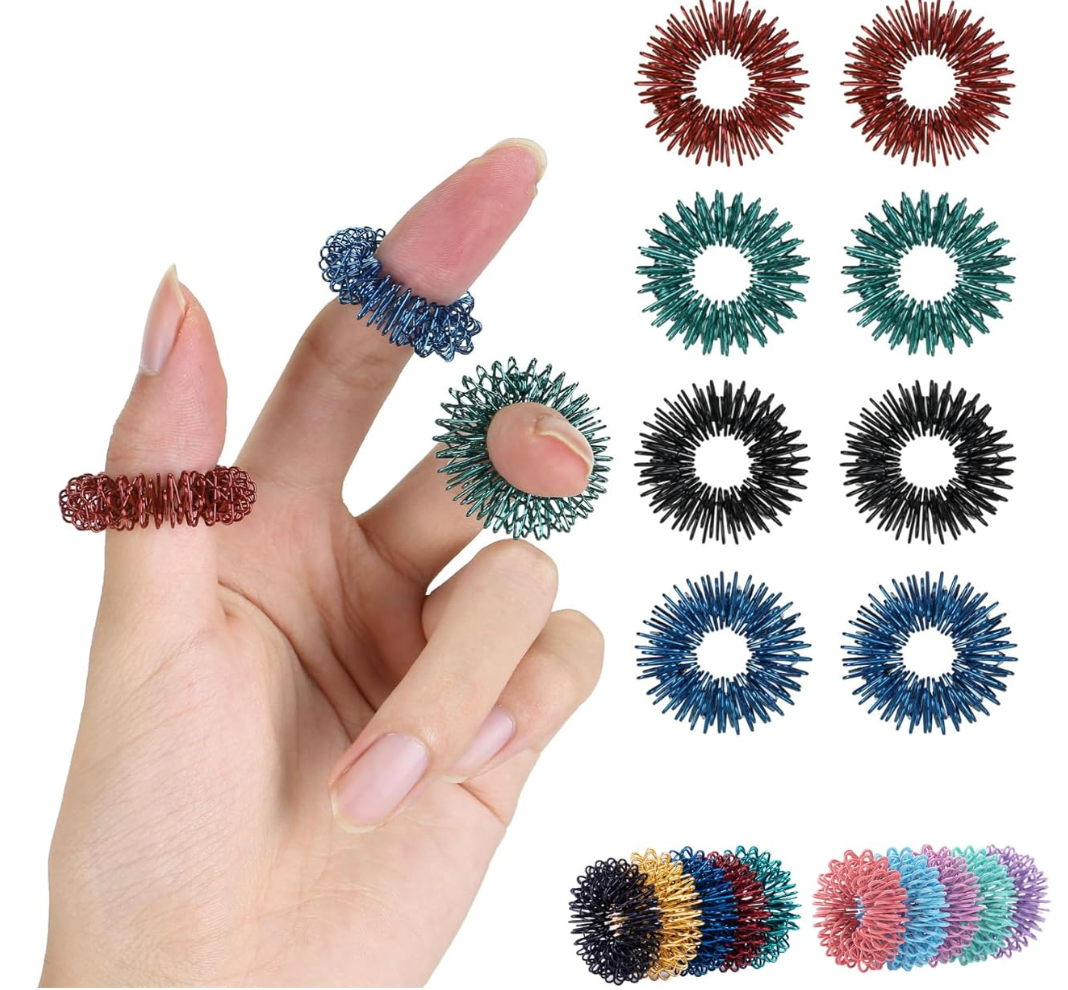
Magnetic Rings
Amazon Link
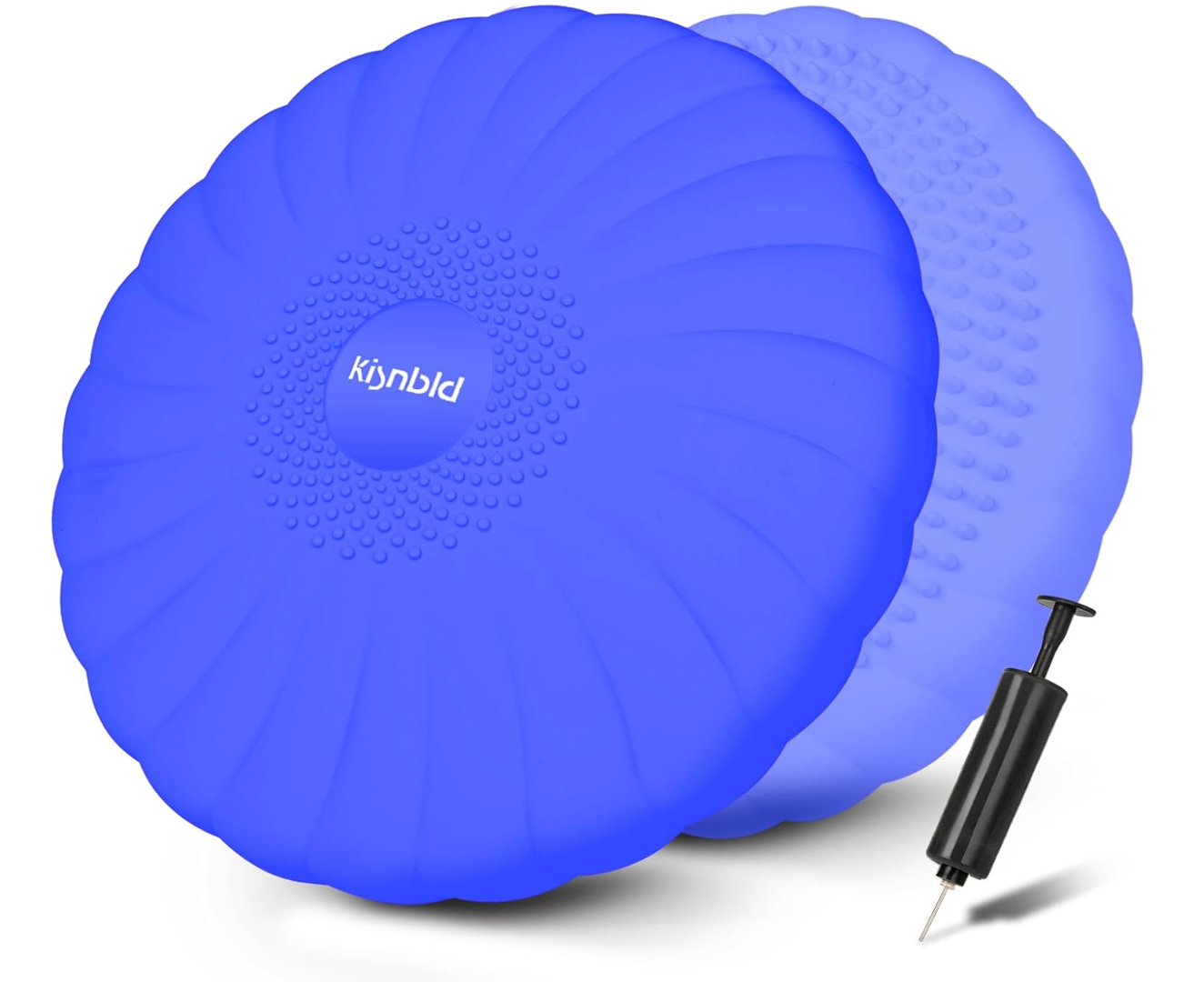
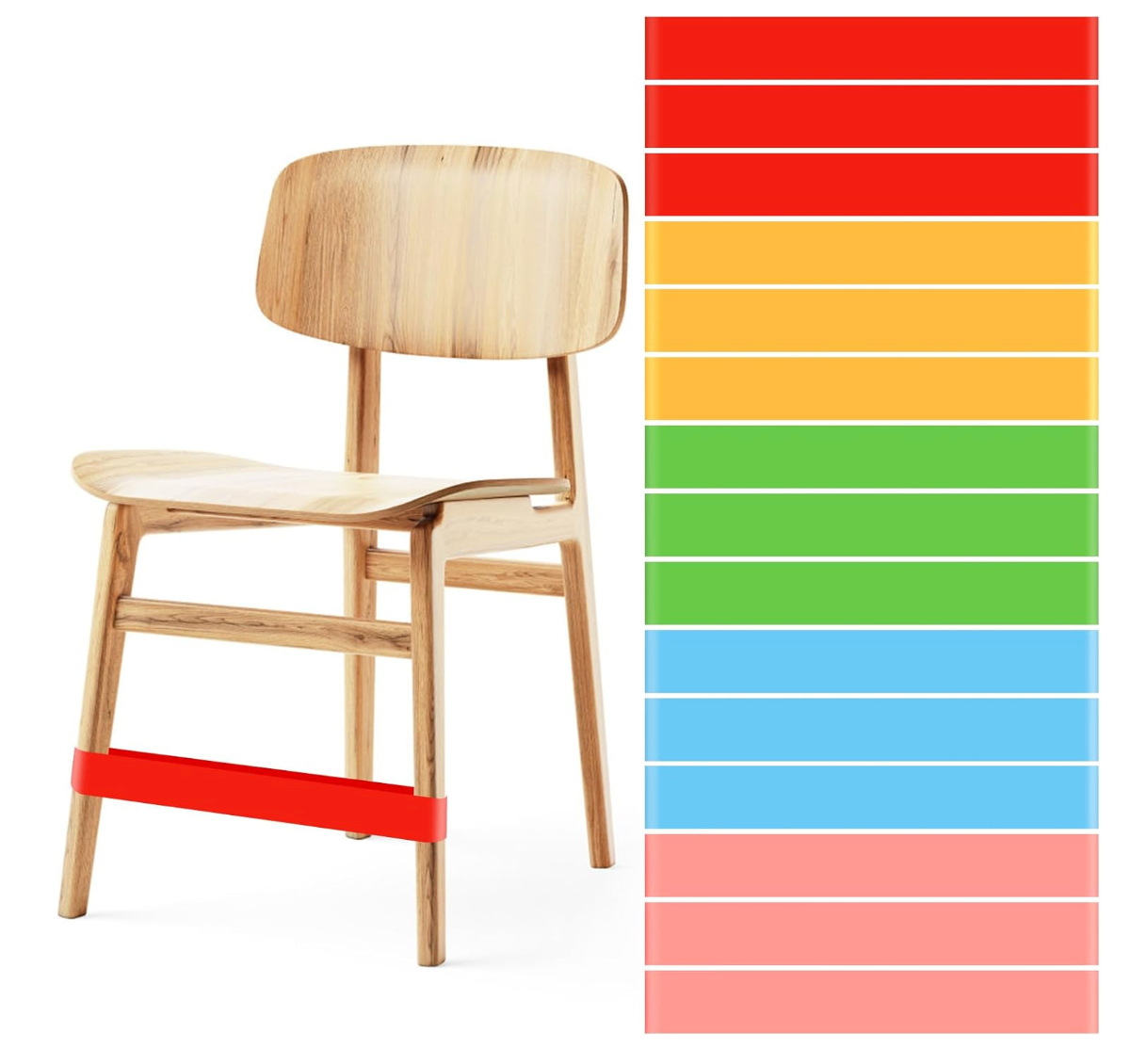
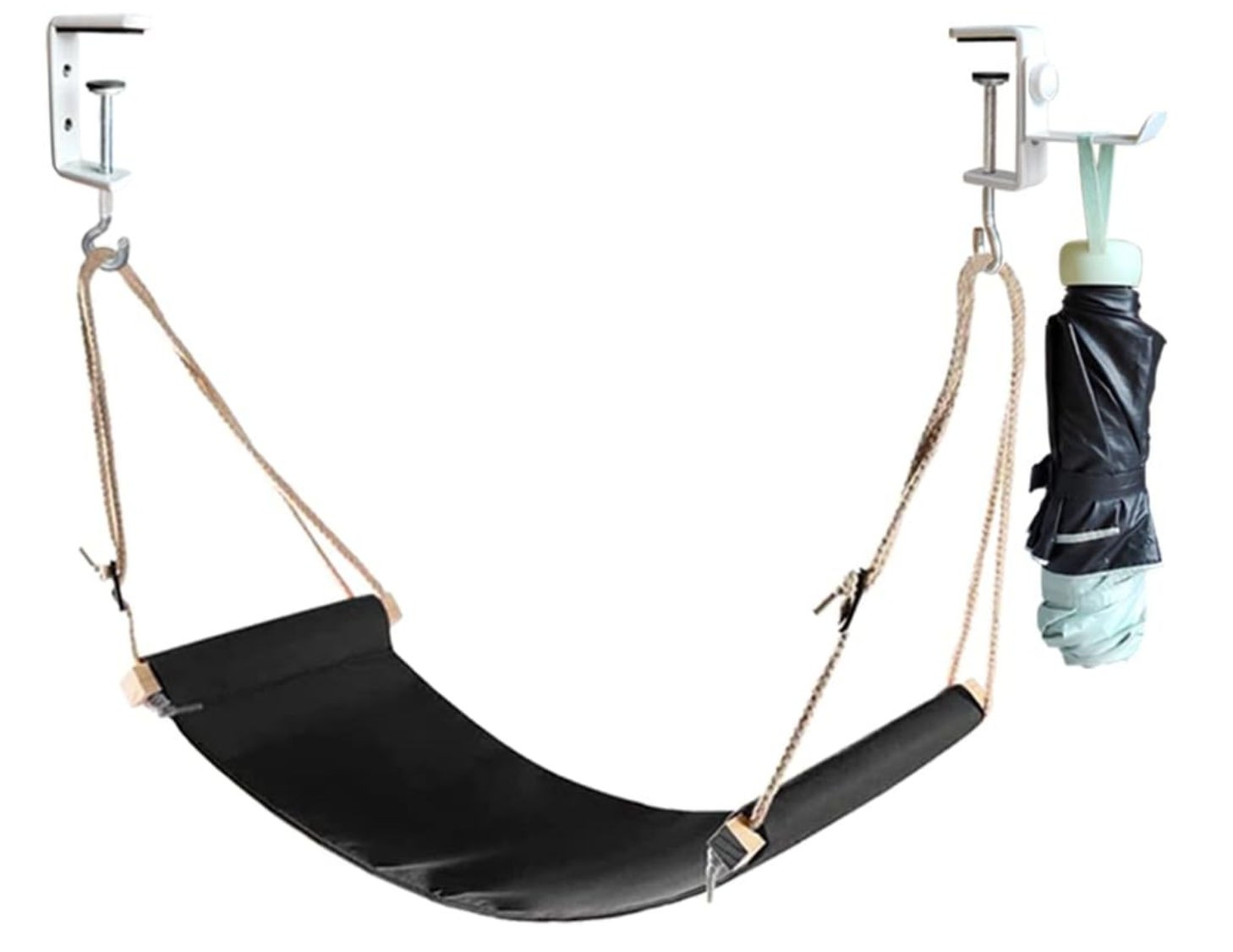
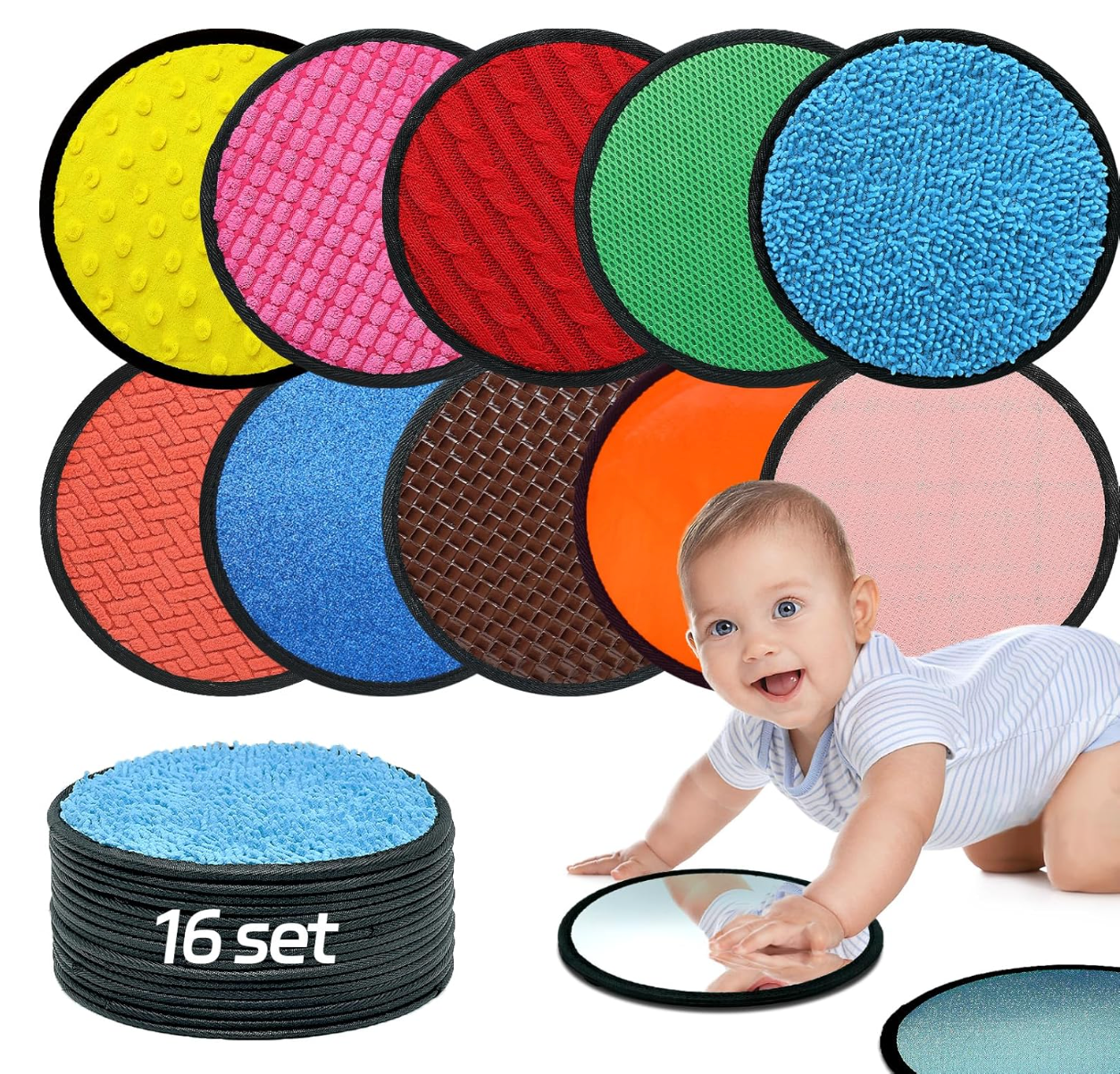
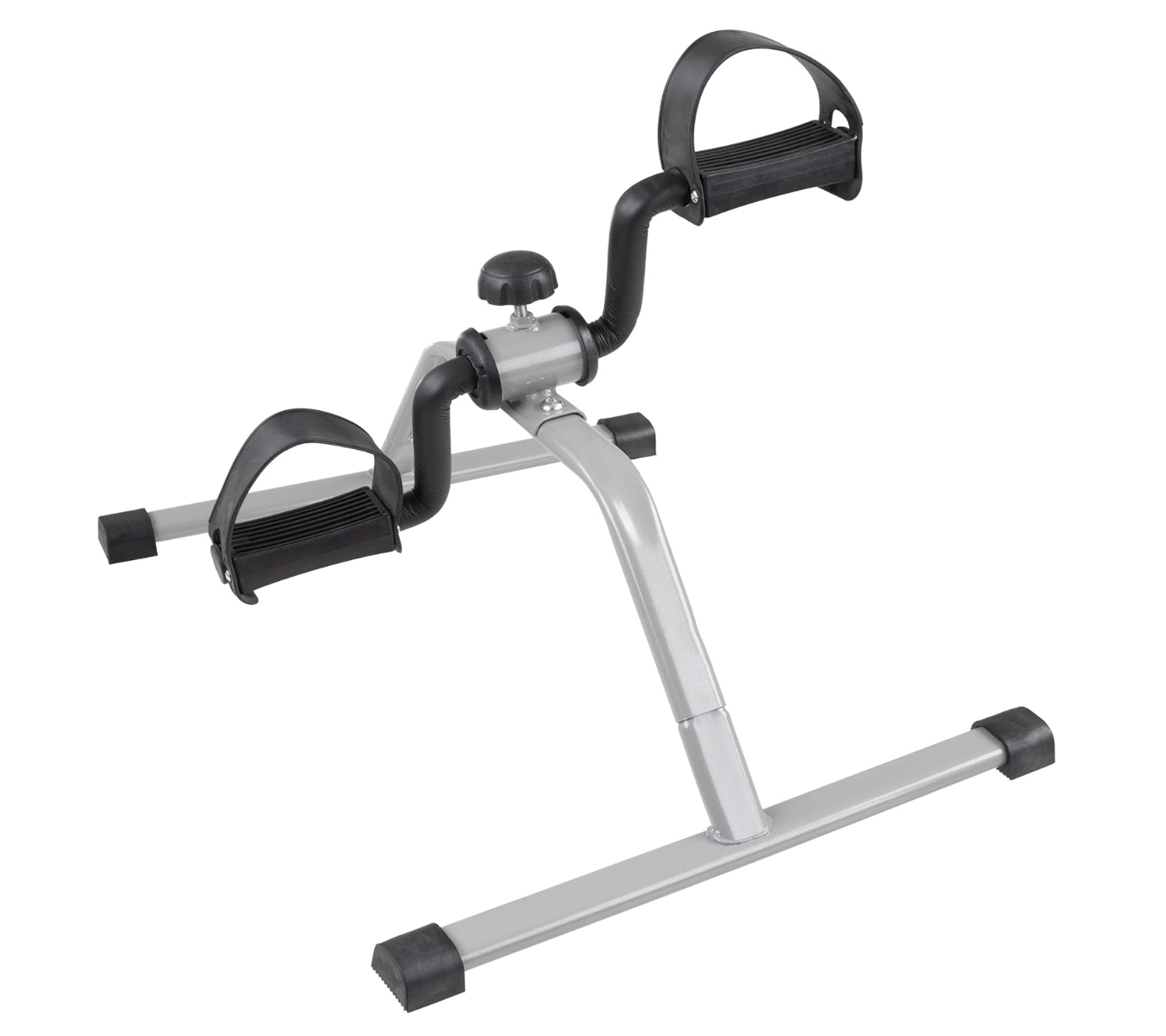
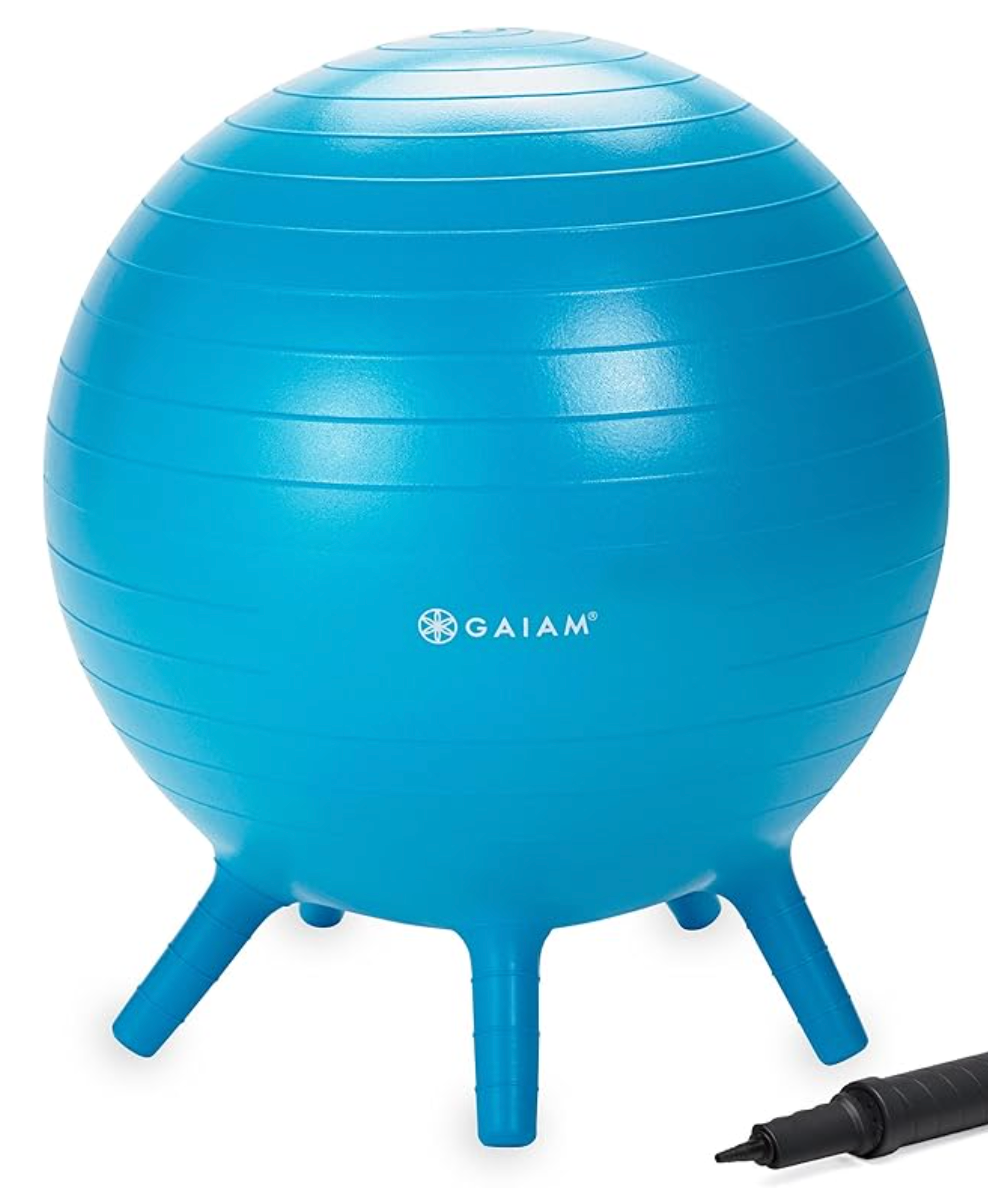
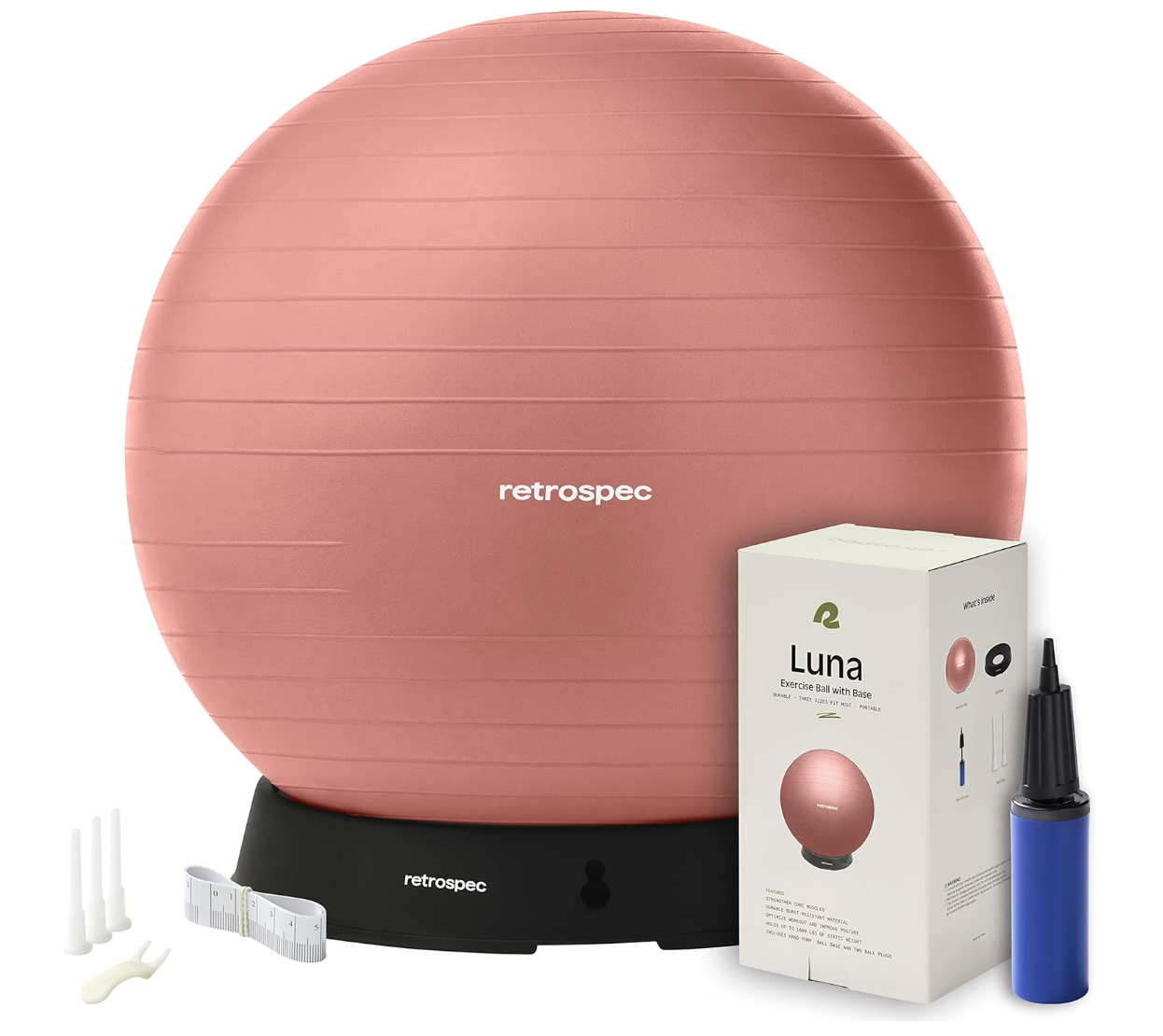
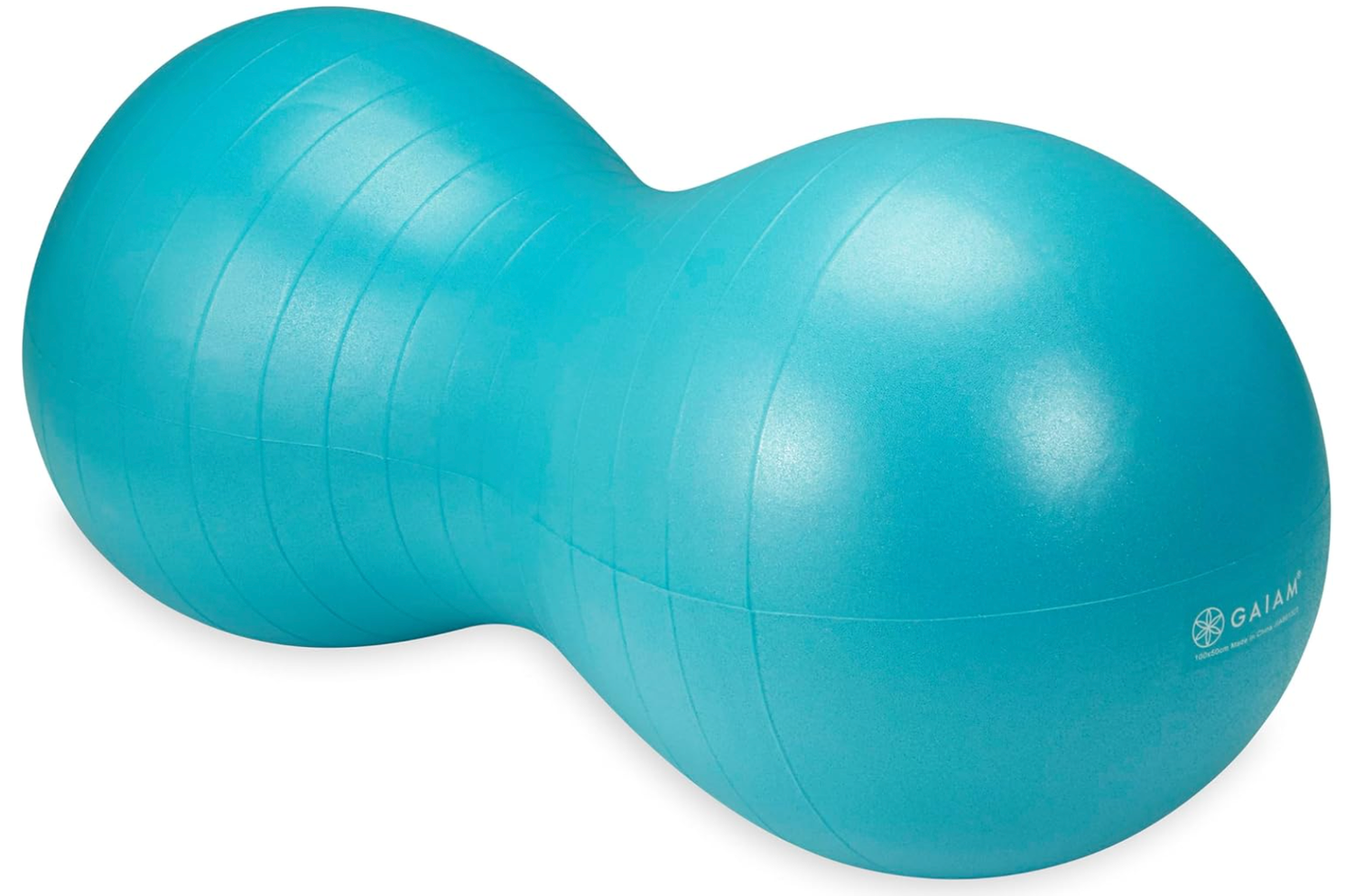
Chair, Foot, & Desk Fidgets
Designed to support movement while seated, these tools provide subtle sensory input through feet or core muscles. Ideal for desk work or group time, they help reduce restlessness and increase focus.
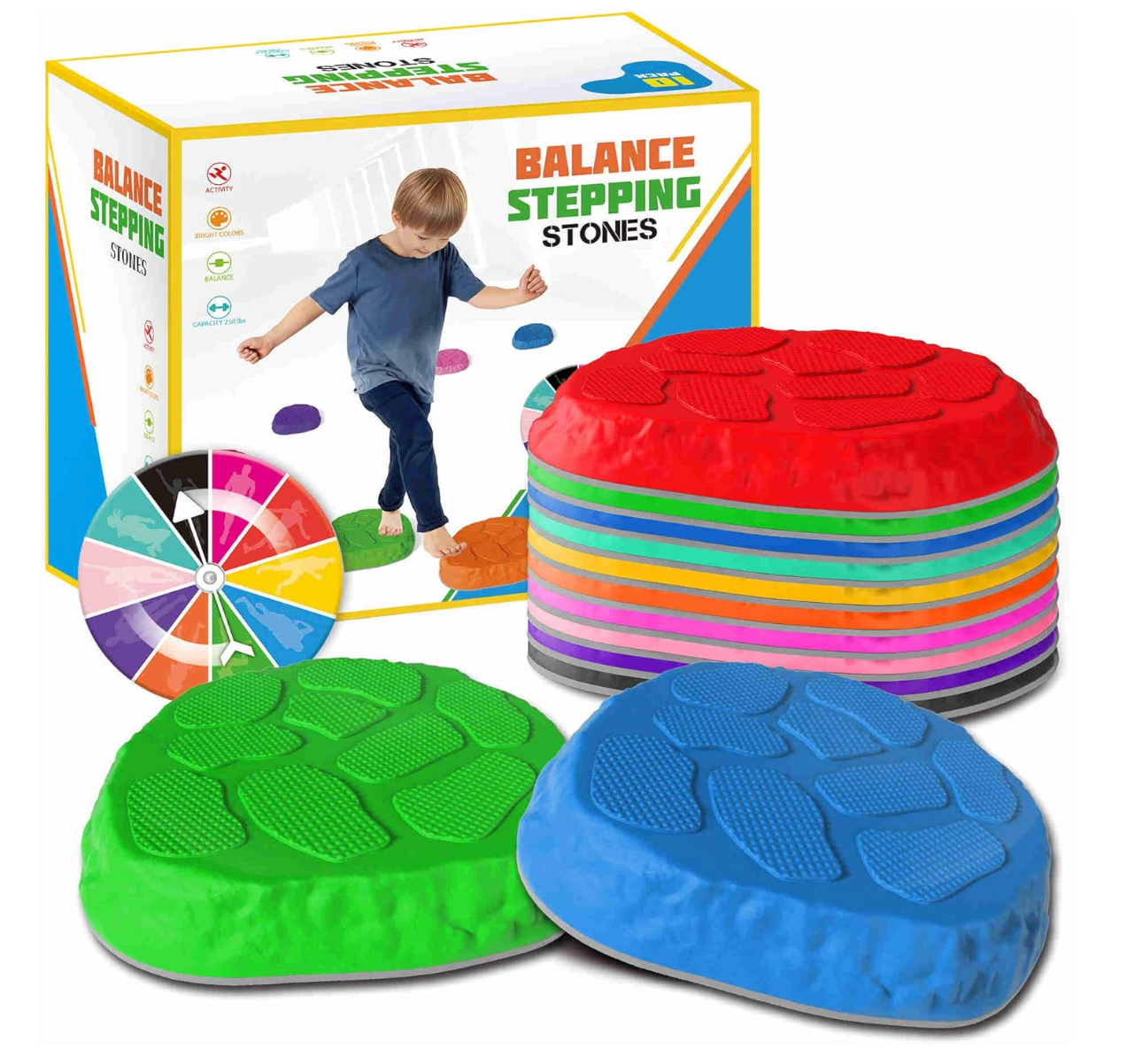
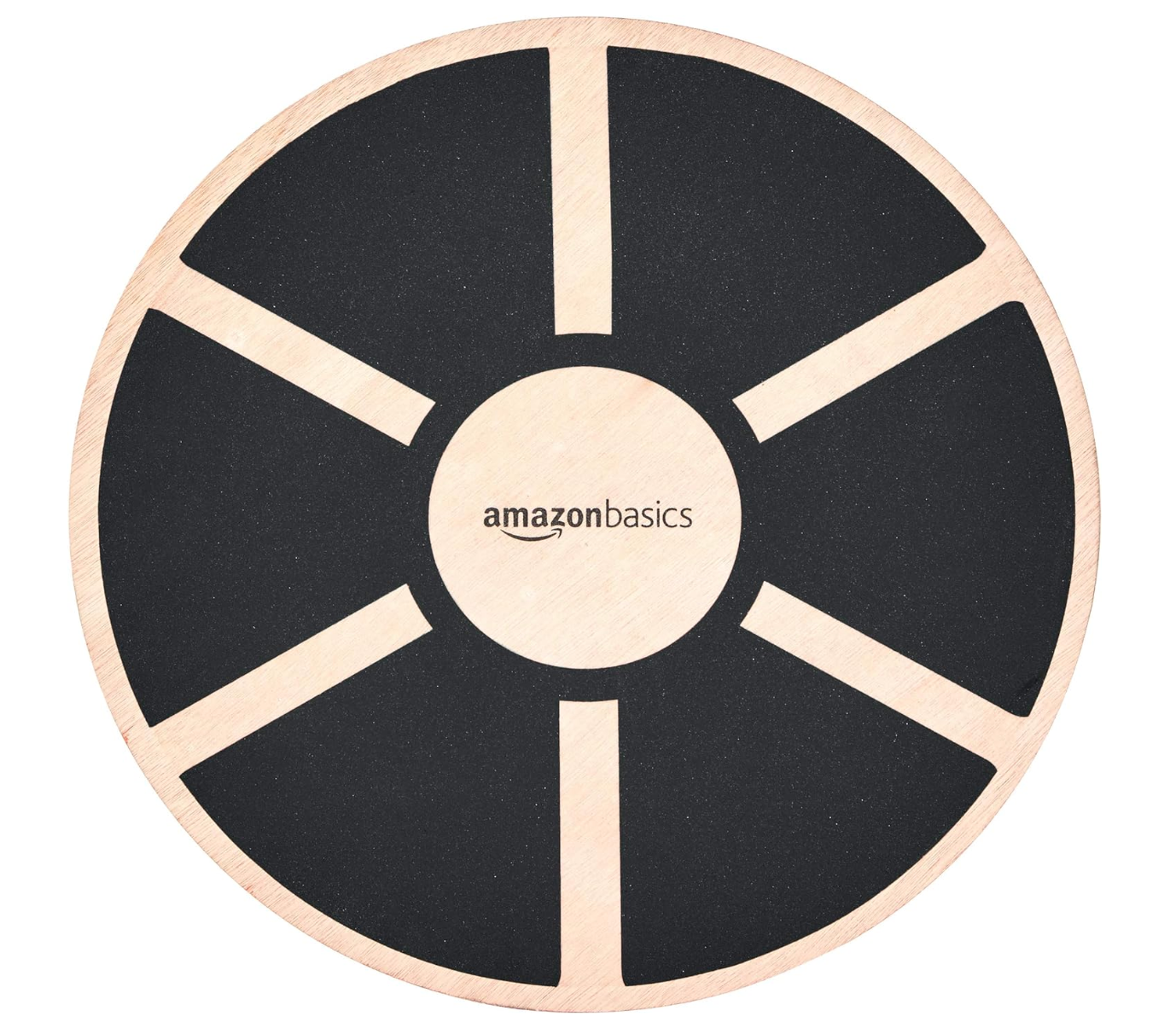
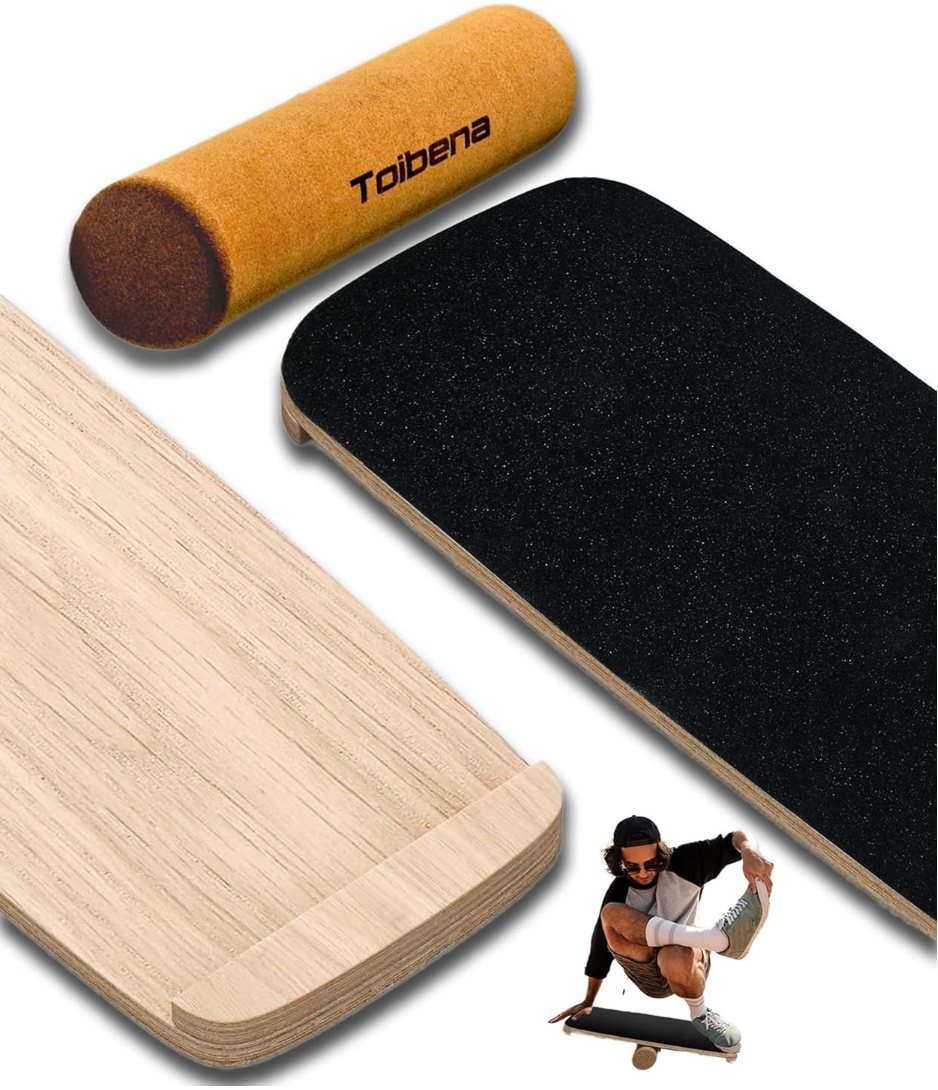
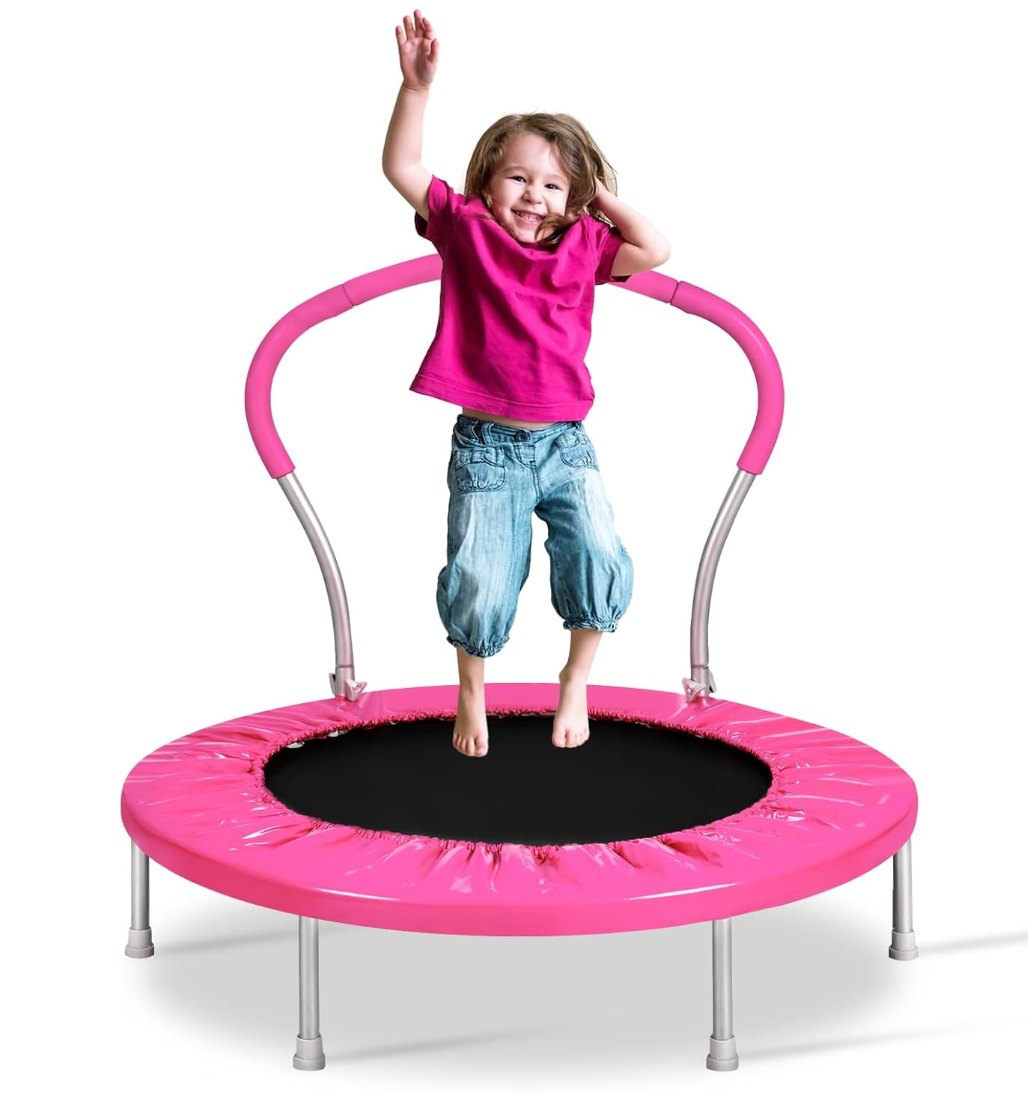
Full Body Fidgets
These larger tools encourage kids to move, stretch, and reset their bodies. Use them for brain breaks, transitions, or structured movement time to help regulate energy and attention.
In Summary...
Fidgets are more than a trend—they're tools that meet real sensory and attention needs. When thoughtfully used, they can help students with ADHD, dyslexia, autism, and other learning differences feel calmer, focused, and successful in their work.
Feel free to reach out any time to inquire about what fidget may be best for your student!